Essay · 5 min read
From loom to wardrobe
Why heritage textiles and circular fashion belong in the same conversation, and what it takes to design for both.
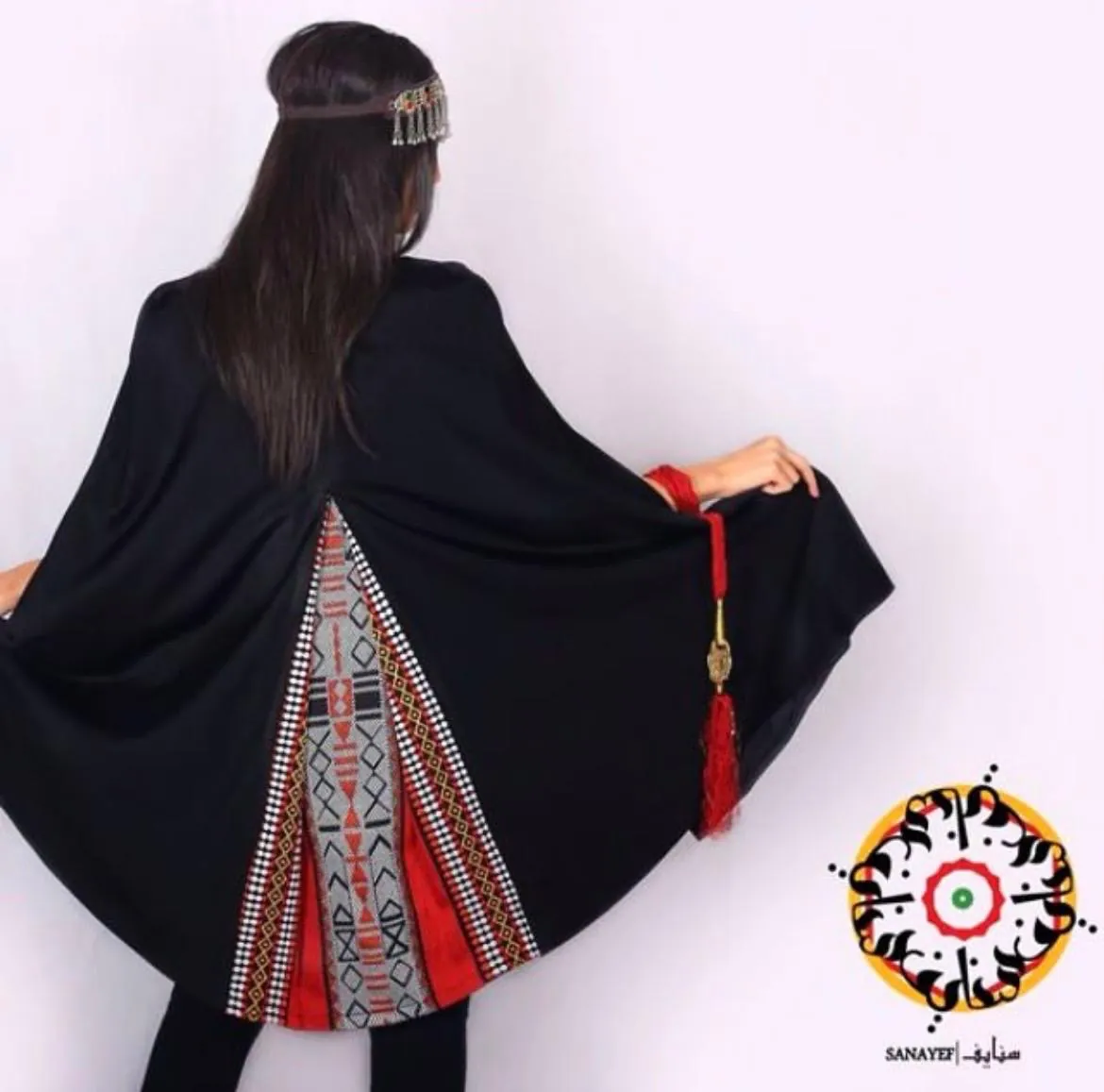
Traditional textiles were made to last. The fibres were durable, the weaving was dense, and a worn piece was mended, repurposed or passed on. Circular fashion asks the same of a modern garment: keep it in use for as long as possible, and keep its materials in circulation afterwards. The two ideas meet more easily than the usual picture of heritage and fashion suggests.
Keep the craft legible
A contemporary piece can borrow a pattern, a weave structure or a palette from a traditional textile, but it should still say where it came from. When the source is visible, the wearer has a reason to value the object, and a reason to look after it.
Design for wear
Heritage textiles are often heavier and more structured than clothing needs to be today. Translating them means choosing which qualities to keep: the texture, the pattern and the colour, and which to adapt: weight, drape and fit. Good translation produces something people reach for repeatedly.
Design for a long life
Durable materials, simple construction and repairable details matter more than novelty. A garment that can be altered, mended and resold keeps its value, and that value can return to the people who made it.
This is the thinking behind building Sanayef: modernizing traditional textiles and craftsmanship while keeping a community of makers and wearers around the work, in line with the sustainability aims of Vision 2030.