Essay · 6 min read
What operations taught me about preserving crafts
Eleven years in sales and process work gave me habits that heritage preservation needs just as much: manuals, records and regular review.
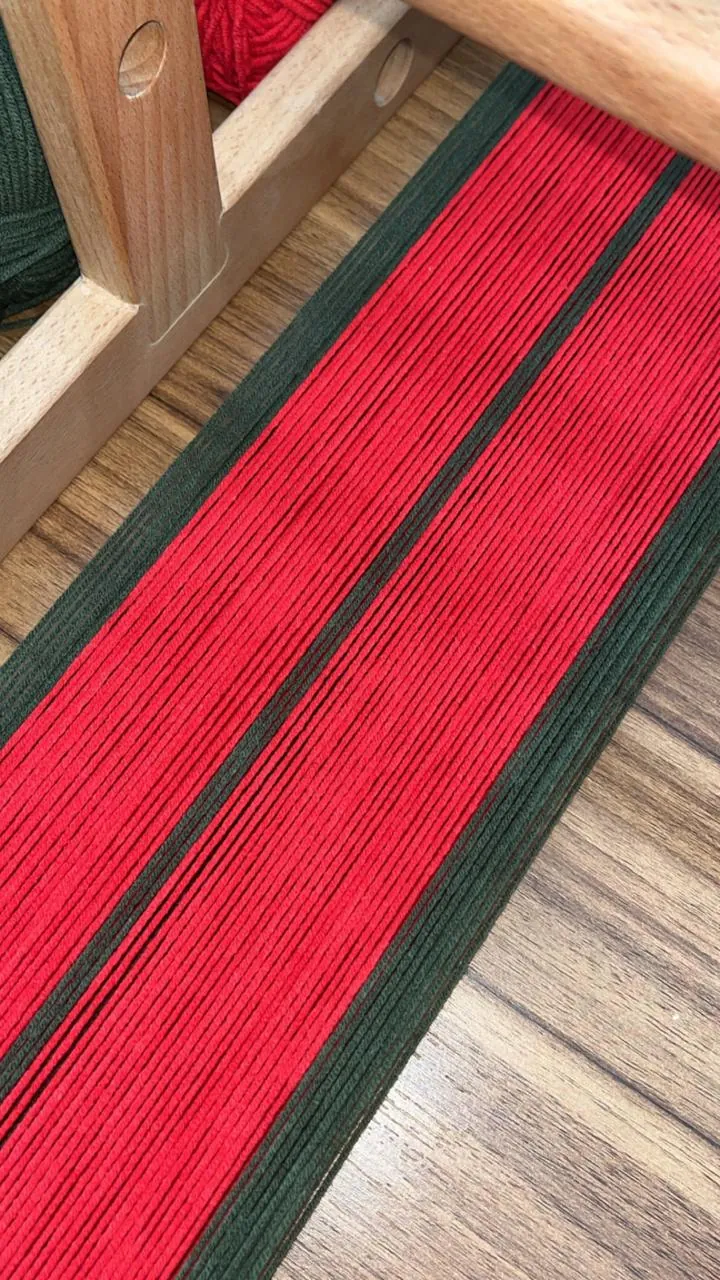
Before I trained in traditional arts full time, I spent more than eleven years in corporate operations across sales, supply chain and process improvement. It can look like a different world from craft. In practice the habits carry over almost directly.
Write it down
Early in my career I wrote a standardized sales manual for a tele-sales team and built back-office manuals for client support. The lesson was simple: knowledge that lives in one person leaves with that person. Crafts face the same risk, and the answer is the same. Document the steps, the materials and the reasoning in a form someone else can use.
Build a system that holds the records
At United Mining Industries I helped build an internal system that brought data archiving, key account management and sales tracking into one place. Digitally archiving cultural heritage, which was part of my training at the Royal Institute of Traditional Arts, follows the same logic: a clear structure for inventorying, a consistent way of recording, and a place where the record can be found again.
Review on a rhythm
Weekly reports to senior management and quarterly internal audits taught me that regular review catches problems while they are still small. A heritage programme benefits from the same discipline: checking what has been recorded, what is missing, and what is changing.
Make it sustainable
A craft survives when people can make a living from it. Pricing, production planning and customer experience are part of preservation, and these are the skills I want to bring to cultural management: combining careful stewardship of heritage with a workable commercial model.